
Our historical links to the transatlantic slave trade

From 1640 to the early 19th century, an estimated 3.2 million enslaved African people were transported by Britain’s vast shipping industry. Lloyd’s was the global centre for insuring that industry. 

We are deeply sorry for the Lloyd’s market’s participation in the transatlantic slave trade. It is part of our shared history that caused enormous suffering and continues to have a negative impact on Black and ethnically diverse communities today.

Researching our past

In 2020, Lloyd’s apologised for its historical links to the transatlantic slave trade. We have since undertaken several pieces of research to understand and contextualise our history, and to make an honest account of our past a part of the story we tell at Lloyd’s.

This has included:

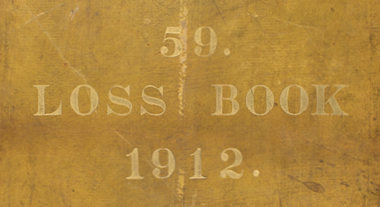
  • Hiring an archivist to arrange, catalogue and curate the Lloyd’s Collection
  • Publishing co-curated conversations between Black and white colleagues about items in the Collection and their significance 
  • Conducting research into significant figures in Lloyd’s past such as John Julius Angerstein and our 1771 Founders of the New Lloyd’s Coffee House
  • Launching an independent research collaboration with Black Beyond Data, based at Johns Hopkins University and funded by the Mellon Foundation, to explore our past and set it in context

Underwriting Souls digital exhibition

Black Beyond Data’s research, based at Johns Hopkins University, to explore our past and set it in context was published in November 2023 as the digital exhibition, Underwriting Souls. The work is editorially and financially independent from Lloyd’s, funded solely by the Mellon Foundation.

Conversations on the Lloyd's Collection

A series of Conversations between Black or ethnically diverse colleagues and white allies, exploring their lived experience and the legacy of enslavement. Each conversation uses an item from the Lloyd's Collection as the starting point for an anonymous conversation.

Lloyd’s, marine insurance and slavery

We are grateful for the work of many academics who continue to research this issue. Dr Nicholas Draper has written an article on Lloyd’s, marine insurance and slavery which outlines the key facts on this subject.

John Julius Angerstein

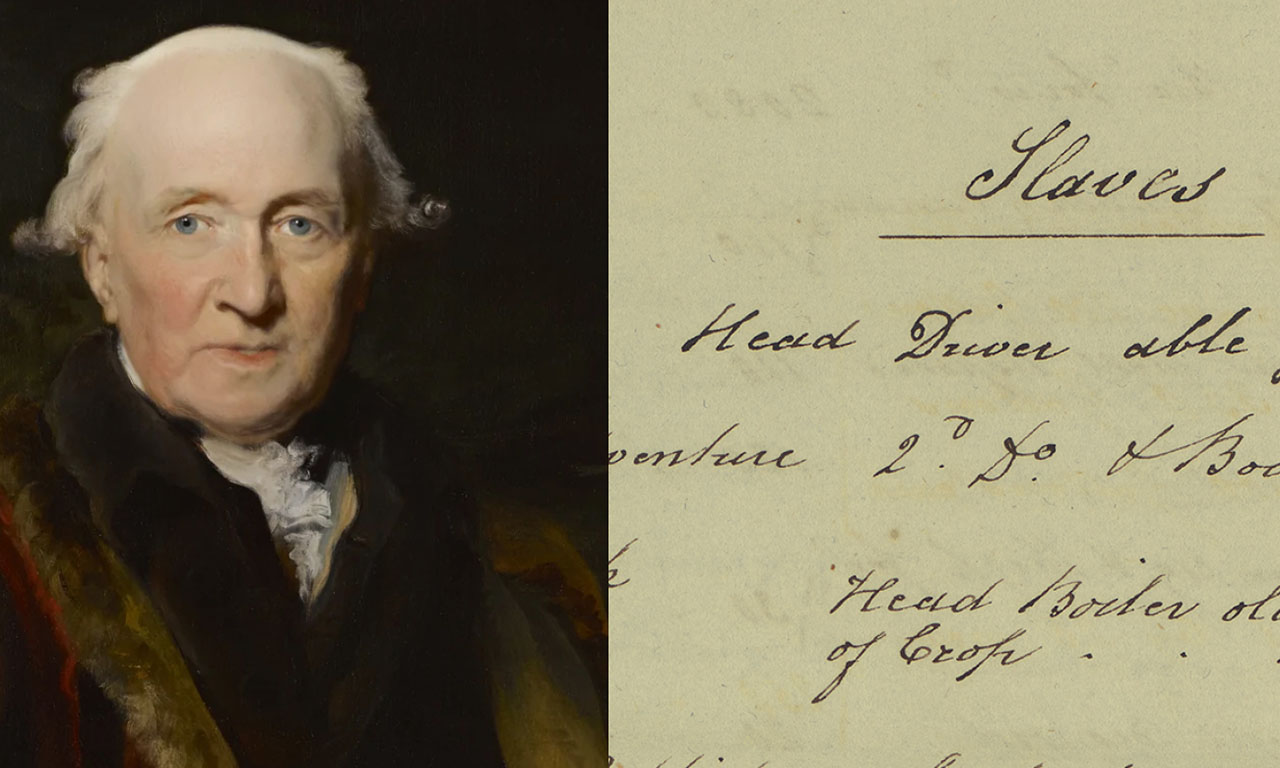
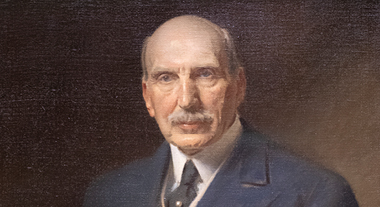
We have set up a Working Party made up of academics, curators and representatives from the Corporation and the market to support us in our investigation of the role of one of our most prominent members of the period, John Julius Angerstein (1735-1823).

Our 1771 founders

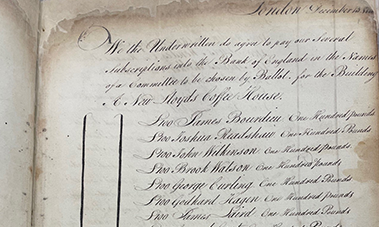
This research project brings together data that helps us to understand and acknowledge the role of transatlantic slavery through significant members of Lloyd’s history. It traces the links to the slave trade, the wider slave economy and slave-ownership of the founding subscribers of Lloyd’s New Coffee House.

Reflecting on our past

From this research, it’s clear the Lloyd’s market benefitted significantly from the trafficking of enslaved people and the goods they produced through the transatlantic slave trade.

The individuals operating in the Lloyd’s market were deeply embedded in the structures, networks and activities of the time. Many used their expertise and influence to develop and defend the systems that made slavery possible.

We know we can’t undo the wrongs of the past – however, we can take action to address the impacts still seen today, such as the racial inequality still prevalent in societies around the world. 

We remain deeply sorry for this period of our history and the enormous suffering caused to Black and ethnically diverse people, both then and now.

Responding to our past

As we further examine Lloyd’s connections to slavery, we will continue to make our findings public, and will ensure that an honest account of our role in the slave trade is a part of the story we tell about Lloyd’s.

We also recognise that the legacy of slavery continues, evident in the racial inequality that persists to this day.

In November 2023, we launched Inclusive Futures: a programme of initiatives to respond to the legacy of slavery by helping Black and ethnically diverse individuals progress from the classroom to the boardroom.

Lloyd’s Corporate Archive

Lloyd’s Corporate Archive is freely accessible to the public. The catalogue of our Corporate Archive is available at the London Archives. Most of the collection dates from 1771, with some deeds dating back to 1585. Please note that the Captains’ Registers are held at the London Archives and the rest of the archive is available at the Guildhall Library.

Explore more of our history