
Crystal+


About Crystal+
Crystal+ provides Lloyd’s market participants with quick and easy access to global regulatory, compliance and tax information in one single, intuitive platform, supporting our market in writing globally compliant business.
Crystal+ provides the market guidance on:
- What to consider when identifying the locations of risk for regulatory and tax purposes
- Which territories (countries, states or provinces) should be considered for the purposes of regulatory and tax compliance when underwriting or placing a risk
- Global regulatory and tax requirements for over 200 territories applicable to both Lloyd’s underwriters and Lloyd’s Europe
- Whether a policy should be underwritten by Lloyd’s underwriters and/or Lloyd’s Europe


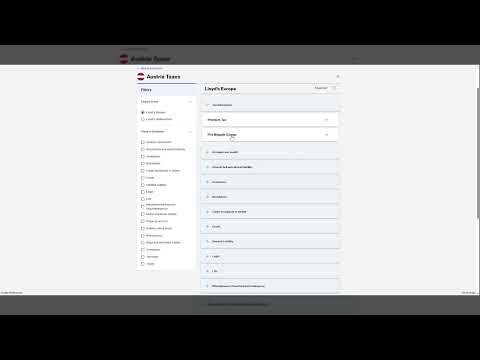
Access Crystal+
Launch Crystal+ to access global regulatory, compliance and tax information. To benefit from all features of Crystal+, you will need to register for full access below.


Register for Crystal+
To register for Crystal+ Lloyd's market participants need to request access via Identity and follow the below steps:
- Request access to Lloyd's applications
- Select Crystal+
- Enter user and company details
- Confirm Lloyd's market participant type and send request. Lloyd's will then review and grant/reject access


Access Crystal+ API
Lloyd’s market participants now benefit from access to Crystal+ content via API. If your company is interested in connecting, register using the following link.
.svg)
Our resources





Regulatory communications
Get in touch
Lloyd’s International Trading Advice
Lloyd’s International Trading Advice are the primary point of contact for advice and information on Lloyd’s trading status worldwide.


